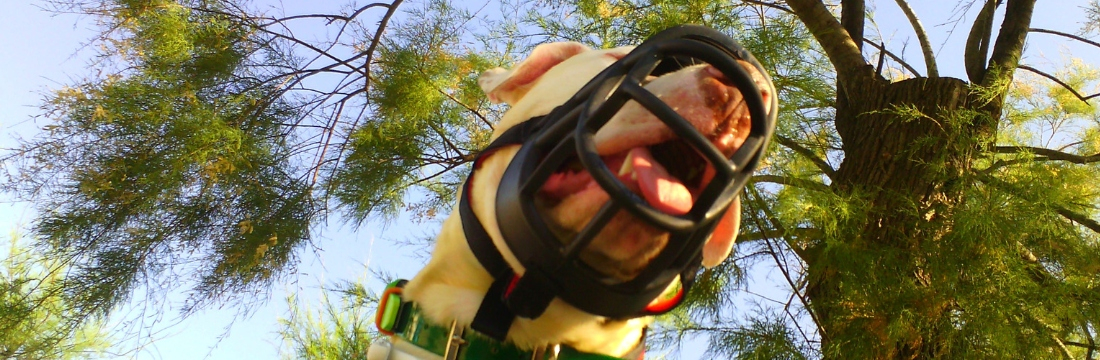
<p><span style="background-color: transparent;">If we look at the literal meaning, the fact that a dog is dangerous means that it carries a risk of causing some damage. Thus, any dog (or animal) can be considered dangerous if it is in the wrong situation: for example, any dog on the highway would be considered dangerous as it can lead to material and personal damage. If we refer to the problem of damage through the bite, the situation is similar: Any animal that is injured, with puppies, frightened or with no options to escape can respond aggressively. </span></p><p><br></p><p><span style="background-color: transparent;">However, society understands it differently due to the existence of regulations that indicate which breeds of dogs are considered potentially dangerous (GPP): Pitbull, Rottweiler, Dogo Argentino, Staffordshire Bull Terrier, American Staffordshire Terrier, Fila Brasileiro, Tosa Inu and Akita Inu.</span></p> <p><span style="background-color: transparent;">This regulation appeared in response to the social alarm caused by some incidents of canine aggression, along with press releases that often detect any aggressive dog as a Pit Bull. In addition, it has not achieved its initial goal of reducing these incidents, which is why many countries have already repealed similar regulations.</span></p><p><br></p> <p><span style="background-color: transparent;"> According to Spanish regulations, GPP is considered to be any dog that belongs to the breeds described above and their crossbreeds, any dog trained by the attack, those that manifest a markedly aggressive character and, in addition, have been the subject of a complaint and those that meet a series of aesthetic conditions (some as absurd as short hair and parallel forelimbs, and others as ambiguous as marked character and great value). Apart from that, there is regional and municipal legislation in this regard, which is why we find ourselves in situations as absurd and illogical as there are breeds that are only considered GPP in some autonomous communities such as the Boxer which incomprehensibly is only dangerous in Cantabria and in some towns in the community of Madrid.</span></p><p><br></p> <p><span style="background-color: transparent;">There are multiple requirements to meet for their legal possession, including obtaining a license. This limits both dogs and owners and is one of the main reasons why this type of dog accumulates in shelters and kennels with 0 sacrifice, and they are the first to be slaughtered in centers where this cruel practice still continues. </span></p><p><br></p><p><span style="background-color: transparent;">The regulations also require these animals to always be tied up with a non-extendable leash of a maximum length of 2 meters (only 1 meter in Andalusia, does the probability of aggression by a GPP increase there?) and always with a muzzle. What appears to be a simple safety measure to avoid harm to people and other animals is actually the main cause of behavioral problems, fear and aggression in these breeds.</span></p><p><br></p> <p><span style="background-color: transparent;">The main factor for good behavior in a dog is its socialization, handling and training. Imagine a puppy, of any breed considered GPP, he has to discover the world and understand, or at least assimilate, his place as a dog in a family of humans, maybe even, with some other pet, he has to get used to the noises of the city, the movement of people... It is the time when he uses his mouth and teeth the most, he learns to interact with the environment, with people, dogs and other animals, it is the time of most play... but he wears a muzzle in the middle of his face, the other dogs do not understand his expression that is hidden behind the muzzle, and thus, there is no communication. Probably if the other dogs do not perceive the expression of this puppy, it will be as if they ignore it and this can end up in the situation in which the puppy learns not to express himself. Why do it, if no one takes it into account? This inevitably increases the risk of fights between dogs and also makes it difficult for us to be able to foresee an incident as owners. The puppy grows and people move away from it, they cross the street so as not to pass by it, the owners of other dogs do not let them play with it because it seems dangerous and also, it has a muzzle. We have a puppy, of a breed considered GPP, who does not get enough exercise (he remembers a leash of 1 or 2 meters maximum), he is not allowed to approach other dogs much less play with them, perhaps he has never even been near a child, ... When this happens on a daily basis, it is common for the owner to decide to avoid these situations, walk where there are fewer people, push him away if there are children, and prevent him from approaching other people's dogs. In the end we have a dog full of stress, fear and frustrations, without the exercise it needs, with disastrous learning and poor socialization. This is what causes the current regulations, the one that aims to prevent canine aggressions actually encourages the behavioral problems that cause them.</span></p> <p><span style="background-color: transparent;"></span></p><p><span style="background-color: transparent;">The law regulating the possession and driving of potentially dangerous dogs does not reduce the number of incidents of canine aggression and harms many of us, aggravates the problem, discriminates, criminalizes and forms stereotypes and marginalization, not only towards these dogs but also towards their owners. </span></p><p><br></p><p>To find out how to obtain the license to keep and drive dogs considered potentially dangerous, click <a href="https://www.escaudenpinxo.com/?m=blog&id=14411" rel="noopener noreferrer" target="_blank">here.</a></p> <p><br></p><p>You can consult AVATMA<a href="https://avatma.org/2017/05/09/perros-potencialmente-peligrosos-ppp/" rel="noopener noreferrer" target="_blank"> here.</a></p><p><br></p><p> There is another related and very interesting article that helps to see this regulation from a different perspective: <a href="https://www.facebook.com/notes/asociacion-nacional-de-formadores-y-adiestradores-caninos/el-miedo-tras-la-m%C3%A1scara-el-disparador-de-la-ley-ppp/1685447818217939/" rel="noopener noreferrer" target="_blank">Fear behind the mask</a></p>
Go back to news