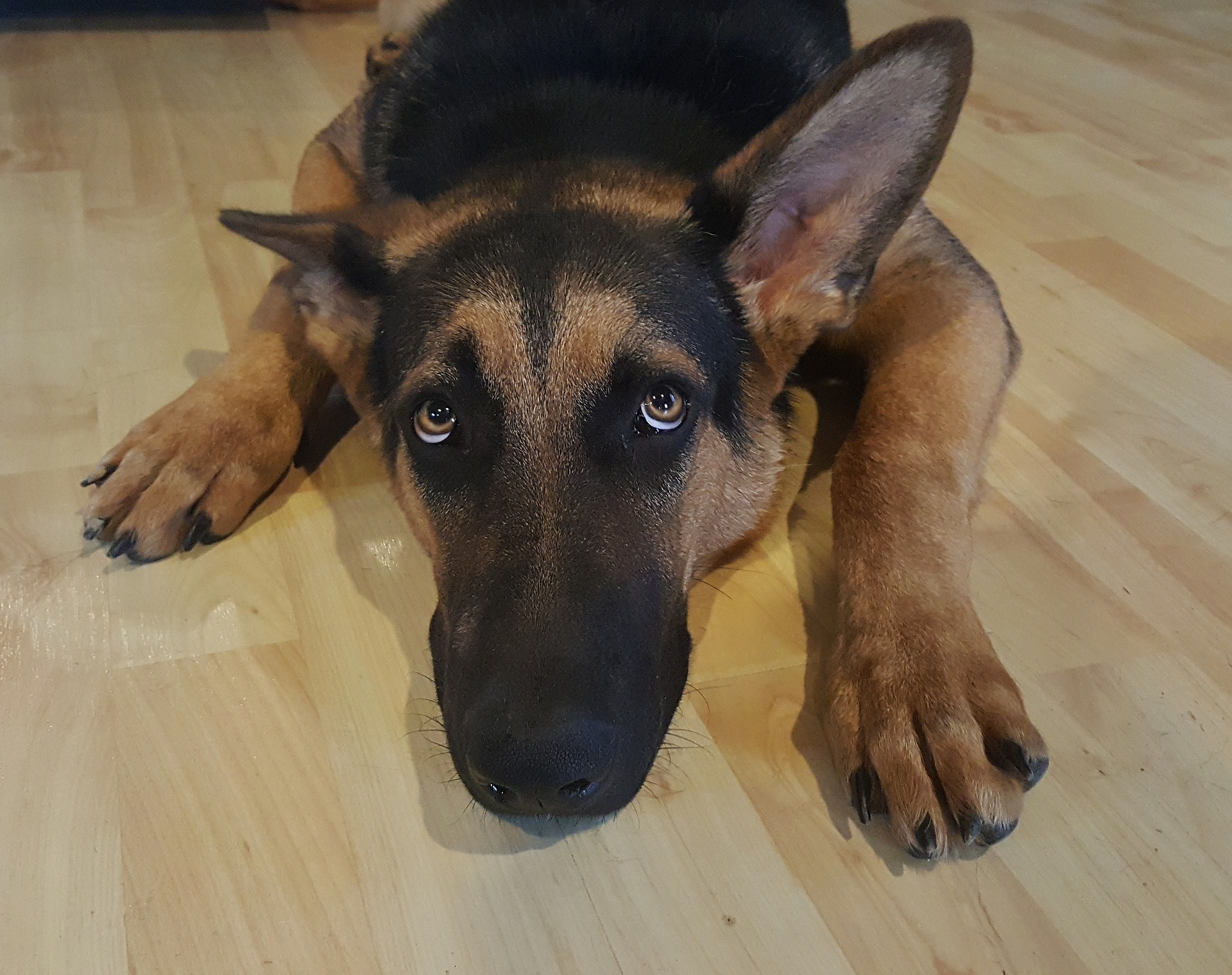
<p><span style="color: rgb(102, 102, 102);">Traditionally we celebrate the night of San Juan with bonfires and fireworks. This celebration has negative consequences for all those who are afraid of loud noises: whether they are people, wild animals, or domestic animals.</span></p><p><br></p><h3><span style="color: rgb(102, 102, 102);">We will explain how to act to protect your pets during this night. Read to the end so you don’t miss any of our tips.</span></h3><p><br></p><h2><span style="color: rgb(102, 102, 102);">What is fear?</span></h2><p><span style="color: rgb(102, 102, 102);">Fear is an emotional response that includes physiological and behavioral changes that occur when one faces a stimulus or situation considered dangerous. It is a normal response that facilitates one’s own survival.</span></p><p><span style="color: rgb(102, 102, 102);">Fear has a genetic component, but it can also occur in cases of an unknown stimulus or situation, or when a negative experience has been associated with that stimulus.</span></p><p><span style="color: rgb(102, 102, 102);">Fear and phobia are not the same.</span></p><p><br></p><h2><span style="color: rgb(102, 102, 102);">What is a phobia?</span></h2><p><span style="color: rgb(102, 102, 102);">A phobia is a disproportionate fear response in duration and/or intensity to the stimulus or situation that triggers it. This response is not normal, is not adaptive, and needs to be treated.</span></p><p><br></p><h2><span style="color: rgb(102, 102, 102);">Why can our pets be afraid or phobic of loud noises?</span></h2><ul><li><span style="color: rgb(102, 102, 102);">They do not recognize the noise and perceive it as a threat.</span></li><li><span style="color: rgb(102, 102, 102);">Their hearing abilities are far superior to ours, so they hear it at a much higher volume or intensity.</span></li><li><span style="color: rgb(102, 102, 102);">In some pets, the traditional "fireworks pill" (acepromazine) has previously been used, which worsens the fear after each use.</span></li></ul><p><br></p><h2><span style="color: rgb(102, 102, 102);">What will I see if my dog or cat has a phobia of noises?</span></h2><ul><li><span style="color: rgb(102, 102, 102);">Seeks a hiding place.</span></li><li><span style="color: rgb(102, 102, 102);">Runs away or tries to escape.</span></li><li><span style="color: rgb(102, 102, 102);">Tucks its tail between its legs.</span></li><li><span style="color: rgb(102, 102, 102);">Trembles.</span></li><li><span style="color: rgb(102, 102, 102);">Breathes excessively.</span></li><li><span style="color: rgb(102, 102, 102);">Vocalizes (barks, meows, howls...).</span></li><li><span style="color: rgb(102, 102, 102);">Walks continuously.</span></li><li><span style="color: rgb(102, 102, 102);">Destroys things.</span></li><li><span style="color: rgb(102, 102, 102);">Urinates and defecates inside the house, even involuntarily.</span></li><li><span style="color: rgb(102, 102, 102);">Salivates excessively.</span></li><li><span style="color: rgb(102, 102, 102);">Vomits.</span></li><li><span style="color: rgb(102, 102, 102);">May display aggressive behavior, even if it has never shown it before.</span></li></ul><p><br></p><h2><span style="color: rgb(102, 102, 102);">What should I do on the night of San Juan to help my pet?</span></h2><ul><li><span style="color: rgb(102, 102, 102);">Create a safe zone for them: This "safe zone" can be a room, a carrier, under the bed... Any area that can be somewhat isolated from the noise and where your pet feels comfortable. Close blinds, windows, and doors to prevent noise from coming in; if possible, cover the carrier with blankets to further dampen the sound. If your pet’s safe zone is under the bed, you can place blankets between the bed frame and the mattress, letting them hang down the sides. Play music or have the television on at a high volume to try and cover the noise of the fireworks.</span></li><li><span style="color: rgb(102, 102, 102);">Use of pheromones: Pheromones can be used in spray, collar, or diffuser formats (the most well-known are Adaptil for dogs and Feliway for cats).</span></li><li><span style="color: rgb(102, 102, 102);">Administration of nutraceuticals: These are nutritional supplements with anxiolytic properties, available from many different brands. Nutraceuticals only work if they are used in the days leading up to the event.</span></li><li><span style="color: rgb(102, 102, 102);">Use of alternative therapies: There are alternative therapies (of unproven efficacy yet) to treat fears and phobias such as the Thundershirt, the Tellington Ttouch method, homeopathy, or Bach flowers.</span></li><li><span style="color: rgb(102, 102, 102);">Administration of medication: The use of medication for treating phobias is controversial, mainly because it has been misused for a long time. This abuse and misuse have not only caused an animal welfare issue but also worsened our pets’ phobias. If medication is needed, you should contact your trusted veterinarian to assess the animal's general condition and determine the best medication for your pet.</span></li></ul><p><br></p><h2><span style="color: rgb(102, 102, 102);">What should I not do during this night?</span></h2><ul><li><span style="color: rgb(102, 102, 102);">Do not punish your pet for showing fear.</span></li><li><span style="color: rgb(102, 102, 102);">Do not reinforce this behavior.</span></li><li><span style="color: rgb(102, 102, 102);">Do not show fear of the fireworks; instead, act normally.</span></li><li><span style="color: rgb(102, 102, 102);">Do not force the animal to face the stimulus it fears.</span></li></ul><p><br></p><h2><span style="color: rgb(102, 102, 102);">IMPORTANT TIPS:</span></h2><ul><li><span style="color: rgb(102, 102, 102);">During these days (both the days leading up to San Juan, on the night itself, and the following days), always keep your dog on a leash; if they are fearful or have a tendency to escape, secure them with both a harness and collar for better safety.</span></li><li><span style="color: rgb(102, 102, 102);">Make sure they have an identification tag with your current phone number.</span></li><li><span style="color: rgb(102, 102, 102);">Try to walk your pet BEFORE the festivities begin.</span></li><li><span style="color: rgb(102, 102, 102);">Watch your surroundings. There may be a firecracker on the ground, or a distracted person may throw one as you pass by, which could accidentally injure your pet. Keep a close eye on their surroundings.</span></li><li><span style="color: rgb(102, 102, 102);">Do not leave them on a balcony, terrace, or garden: some have been so scared they have jumped off, with very serious or even fatal consequences. If you leave them alone at home, make sure to close all the blinds; there have been cases of animals getting injured badly from crashing through glass to escape.</span></li><li><span style="color: rgb(102, 102, 102);">If you have to go out and leave them alone, try to install a camera to monitor them.</span></li></ul><p><br></p><h3>REMEMBER THAT NONE OF THIS IS A CURE FOR YOUR PET'S PHOBIA OF FIREWORKS; THESE ARE ONLY GUIDELINES TO TRY TO GET THROUGH THIS NIGHT IN THE BEST WAY POSSIBLE. TO SOLVE THE FEAR PROBLEM OF FIREWORKS, CONTACT YOUR TRUSTED VETERINARIAN TO SET UP A BEHAVIOR MODIFICATION PROGRAM.</h3><p><br></p>
Tornar a notícies